From Gabber to Modern Entertainment: DJ Dean’s Legacy and the Digital Casino Experience in the Netherlands
The Sound of a Generation
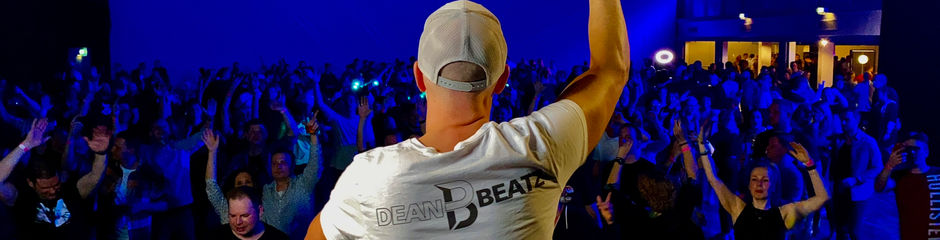
Electronic dance music has always been about energy, experimentation, and the freedom to create something unforgettable. Few stories capture this spirit better than the career of DJ Dean, who began attracting attention in 1992 through hardcore techno and gabber. As a member of Nordcore GMBH, he became part of a musical movement that transformed underground dance culture into an influential force across Europe.
The early 1990s were a defining period for hardcore music. Fast rhythms, powerful kick drums, and uncompromising electronic sounds attracted audiences looking for something different from mainstream pop. By 1995, DJ Dean had performed at the Time Tunnel Rave, an important step that led to his becoming a resident DJ at the Tunnel Club. This opportunity gave him a platform to refine his sound, connect with dedicated clubbers, and build a reputation in Germany’s energetic rave scene.
From the DJ Booth to the Recording Studio
In 1997, DJ Dean purchased his own recording studio, opening a new chapter in his career. Instead of concentrating exclusively on live performances, he could now experiment with production techniques, develop original tracks, and explore different musical identities. His subsequent work on Tunnel Trance Force, created in collaboration with Tunnel Records and Sony Music Media, helped connect his musical vision with a wider audience.
DJ Dean also demonstrated remarkable versatility by developing projects under several names, including Angel Beats, Barbarez, Dynamic D's, Sylver Liquid, Impegement Syndrom, and Van Nilson. Each alias offered room to explore different sounds and creative directions. His career illustrates how electronic music thrives on reinvention: a producer can move between styles while retaining the curiosity and technical discipline that first inspired their work.
The Netherlands provides a natural setting for appreciating this musical legacy. From the internationally recognised dance culture of Amsterdam to the vibrant nightlife of Rotterdam and Utrecht, Dutch audiences have long embraced electronic music. In Eindhoven, for example, the combination of technology, design, and contemporary culture creates an environment where music and digital entertainment can comfortably share the spotlight.
The Connection Between Music, Technology, and Online Entertainment
The evolution of DJ Dean’s career mirrors a broader transformation in entertainment. In the 1990s, dedicated recording equipment, physical releases, and club performances were central to discovering new sounds. Today, streaming platforms and digital services allow people to explore entertainment from almost anywhere, often using nothing more than a smartphone or laptop.
Online casino platforms are another part of this digital landscape. For adults interested in learning about online gaming entertainment, 711 Casino Nederland is one example of a name encountered in this market. More information is available at https://711casinonl.com/en/ — 711 Casino Nederland. As with any online gaming service, users should verify the operator’s legal status, licensing, age restrictions, and terms before engaging, particularly given the Netherlands’ specific gambling regulations.
The shared connection between electronic music and digital gaming is the importance of atmosphere and user experience. A compelling DJ set builds anticipation through rhythm, pacing, and carefully chosen transitions. Digital entertainment similarly depends on accessible design, clear information, and a smooth experience across devices. However, the two activities are different: music is a form of artistic expression, while casino gaming involves financial risk and should never be treated as a reliable way to earn money.
Facts, Figures, and Responsible Entertainment
The scale of modern digital culture is reflected in publicly available research. According to the International Federation of the Phonographic Industry (IFPI), its Engaging with Music 2023 study surveyed more than 43,000 people across 26 countries and territories, highlighting the global importance of recorded music and the many ways audiences discover it. The report can be explored through the organisation’s official website: https://www.ifpi.org/.
For a different perspective on the Dutch entertainment landscape, Statistics Netherlands (CBS) publishes official figures on internet access, digital behaviour, and household technology use. Its data provides a useful foundation for understanding how online services have become integrated into everyday life: https://www.cbs.nl/en-gb.
These figures help explain why the journey from underground rave culture to online entertainment is worth examining. Technology has changed how people discover artists, access information, and spend their leisure time, but the essential attraction remains the same: finding an experience that feels engaging and memorable.
Responsible choices are especially important when entertainment involves gambling. In the Netherlands, the Kansspelautoriteit regulates the gambling market and provides information about legal operators and consumer protection. Adults should set firm spending limits, avoid chasing losses, and treat gambling strictly as paid entertainment rather than a source of income.
A Legacy That Continues to Inspire
DJ Dean’s progression from hardcore techno performances in 1992 to studio production and the Tunnel Trance Force series demonstrates the lasting power of creative ambition. His work across multiple aliases shows how experimentation can keep an artist relevant in a constantly changing industry.
For Dutch audiences, the story also offers a reminder that entertainment evolves with technology. Whether discovering classic gabber tracks, exploring new electronic releases, or learning about contemporary digital platforms, the best experience begins with curiosity and informed choices. The beats may change, the equipment may become more sophisticated, and entertainment may move from physical venues to digital screens, but the desire for discovery remains timeless.





From Gabber to Modern Entertainment: DJ Dean’s Legacy and the Digital Casino Experience in the Netherlands
The Sound of a Generation
Electronic dance music has always been about energy, experimentation, and the freedom to create something unforgettable. Few stories capture this spirit better than the career of DJ Dean, who began attracting attention in 1992 through hardcore techno and gabber. As a member of Nordcore GMBH, he became part of a musical movement that transformed underground dance culture into an influential force across Europe.
The early 1990s were a defining period for hardcore music. Fast rhythms, powerful kick drums, and uncompromising electronic sounds attracted audiences looking for something different from mainstream pop. By 1995, DJ Dean had performed at the Time Tunnel Rave, an important step that led to his becoming a resident DJ at the Tunnel Club. This opportunity gave him a platform to refine his sound, connect with dedicated clubbers, and build a reputation in Germany’s energetic rave scene.
From the DJ Booth to the Recording Studio
In 1997, DJ Dean purchased his own recording studio, opening a new chapter in his career. Instead of concentrating exclusively on live performances, he could now experiment with production techniques, develop original tracks, and explore different musical identities. His subsequent work on Tunnel Trance Force, created in collaboration with Tunnel Records and Sony Music Media, helped connect his musical vision with a wider audience.
DJ Dean also demonstrated remarkable versatility by developing projects under several names, including Angel Beats, Barbarez, Dynamic D's, Sylver Liquid, Impegement Syndrom, and Van Nilson. Each alias offered room to explore different sounds and creative directions. His career illustrates how electronic music thrives on reinvention: a producer can move between styles while retaining the curiosity and technical discipline that first inspired their work.
The Netherlands provides a natural setting for appreciating this musical legacy. From the internationally recognised dance culture of Amsterdam to the vibrant nightlife of Rotterdam and Utrecht, Dutch audiences have long embraced electronic music. In Eindhoven, for example, the combination of technology, design, and contemporary culture creates an environment where music and digital entertainment can comfortably share the spotlight.
The Connection Between Music, Technology, and Online Entertainment
The evolution of DJ Dean’s career mirrors a broader transformation in entertainment. In the 1990s, dedicated recording equipment, physical releases, and club performances were central to discovering new sounds. Today, streaming platforms and digital services allow people to explore entertainment from almost anywhere, often using nothing more than a smartphone or laptop.
Online casino platforms are another part of this digital landscape. For adults interested in learning about online gaming entertainment, 711 Casino Nederland is one example of a name encountered in this market. More information is available at https://711casinonl.com/en/ — 711 Casino Nederland. As with any online gaming service, users should verify the operator’s legal status, licensing, age restrictions, and terms before engaging, particularly given the Netherlands’ specific gambling regulations.
The shared connection between electronic music and digital gaming is the importance of atmosphere and user experience. A compelling DJ set builds anticipation through rhythm, pacing, and carefully chosen transitions. Digital entertainment similarly depends on accessible design, clear information, and a smooth experience across devices. However, the two activities are different: music is a form of artistic expression, while casino gaming involves financial risk and should never be treated as a reliable way to earn money.
Facts, Figures, and Responsible Entertainment
The scale of modern digital culture is reflected in publicly available research. According to the International Federation of the Phonographic Industry (IFPI), its Engaging with Music 2023 study surveyed more than 43,000 people across 26 countries and territories, highlighting the global importance of recorded music and the many ways audiences discover it. The report can be explored through the organisation’s official website: https://www.ifpi.org/.
For a different perspective on the Dutch entertainment landscape, Statistics Netherlands (CBS) publishes official figures on internet access, digital behaviour, and household technology use. Its data provides a useful foundation for understanding how online services have become integrated into everyday life: https://www.cbs.nl/en-gb.
These figures help explain why the journey from underground rave culture to online entertainment is worth examining. Technology has changed how people discover artists, access information, and spend their leisure time, but the essential attraction remains the same: finding an experience that feels engaging and memorable.
Responsible choices are especially important when entertainment involves gambling. In the Netherlands, the Kansspelautoriteit regulates the gambling market and provides information about legal operators and consumer protection. Adults should set firm spending limits, avoid chasing losses, and treat gambling strictly as paid entertainment rather than a source of income.
A Legacy That Continues to Inspire
DJ Dean’s progression from hardcore techno performances in 1992 to studio production and the Tunnel Trance Force series demonstrates the lasting power of creative ambition. His work across multiple aliases shows how experimentation can keep an artist relevant in a constantly changing industry.
For Dutch audiences, the story also offers a reminder that entertainment evolves with technology. Whether discovering classic gabber tracks, exploring new electronic releases, or learning about contemporary digital platforms, the best experience begins with curiosity and informed choices. The beats may change, the equipment may become more sophisticated, and entertainment may move from physical venues to digital screens, but the desire for discovery remains timeless.